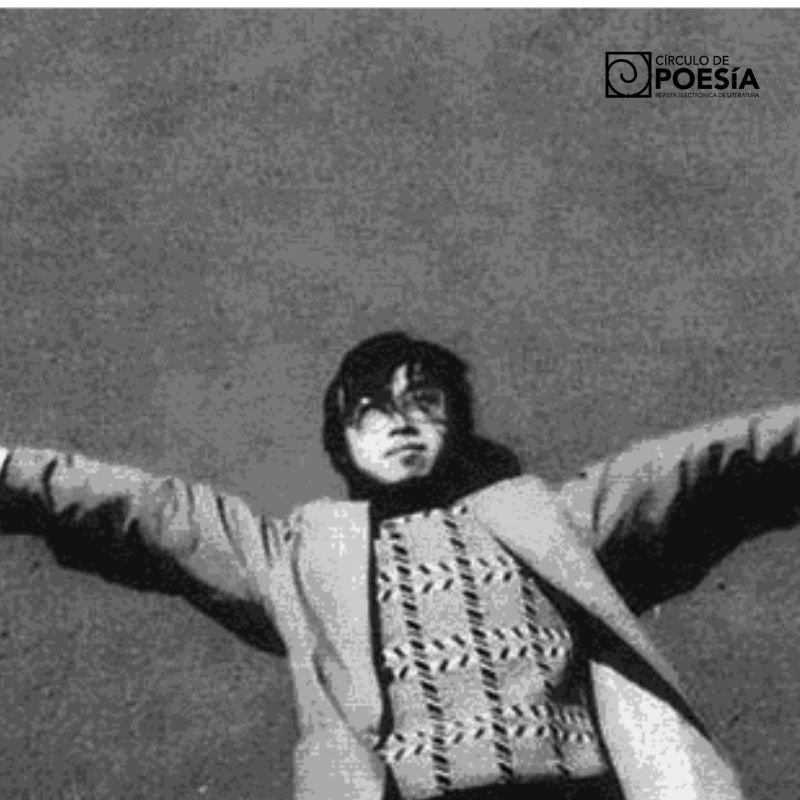
Danez Smith es un poeta negro-queer nacido en 1989 en St. Paul, Minnesota. Obtuvo un MFA de la Universidad de Michigan. Es autor de Bluff (Graywolf Press, 2024); Homie (Graywolf Press, 2020); Don’t Call Us Dead (Graywolf Press, 2017), que quedó preseleccionada para el National Book Award; e [insert] boy (YesYes Books, 2014), ganador del Kate Tufts Discovery Award y del Lambda Literary Award for Gay Poetry. Smith, que recibió becas del National Endowment for the Arts y de Poetry Foundation, también ganó un premio Pushcart. Es copresentador del podcast VS junto a Franny Choi.
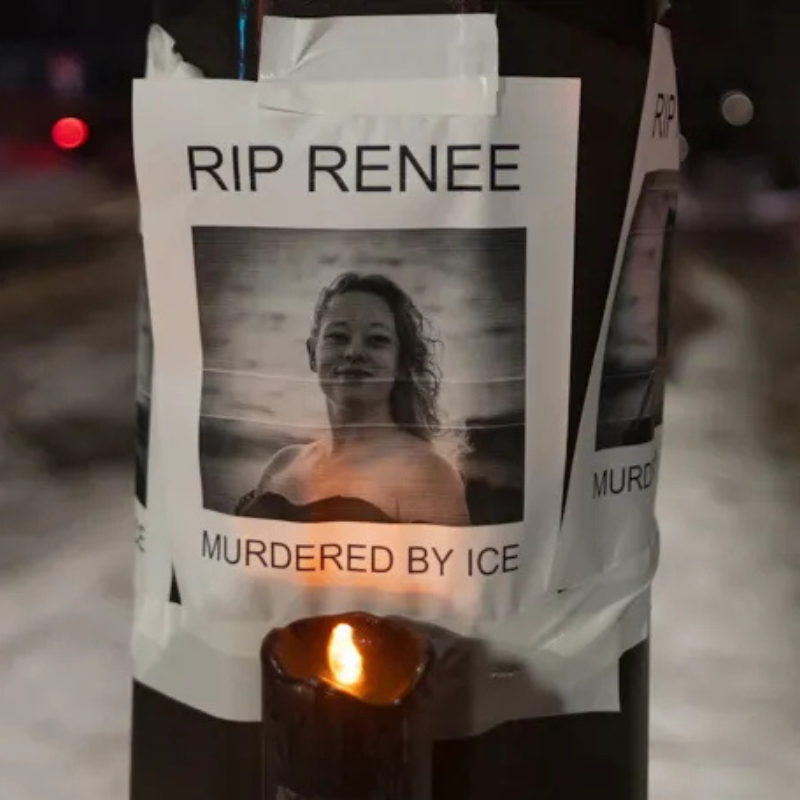
Renee, no tuvimos la oportunidad de conocernos, pero sé que lo habríamos hecho. Ambos somos poetas y compartimos la visión de un futuro donde nuestras comunidades sean seguras y valoradas. Ayer, hiciste honor a tu nombre, provocando ese tipo de "buenos problemas" de los que hablaba John Lewis. Observaste y documentaste las redadas de ICE con las que la administración canalla de Trump ha plagado nuestra ciudad de Minneapolis. Como buena vecina, demostraste con acciones lo que la poeta Gwendolyn Brooks pide, que "somos asunto del otro: / somos magnitud y vínculo del otro". Arriesgaste tu vida para detener, presenciar y registrar los mecanismos del fascismo que operan en el sur. Quizás, como buena aliada, pensaste que tu blancura te protegería, que tu ciudadanía podría protegerte. Quizás por eso acudiste en ayuda de nuestros vecinos morenos, negros e inmigrantes. Pero también eras mujer, eras queer, eras inteligente, valiente y te preocupabas por quienes te rodeaban. Oh, las tantas maneras en que el país buscó acabar contigo, controlarte, matarte espiritual, mental y, al final, físicamente. Estabas —qué dolor hablarte por primera vez en pasado, la violencia de encontrarte en ti en retrospectiva, tras el patriarcado y la cobardía— asustada, imagino: quienes tiraban de tu puerta, gritándote en la cara, y tu última imagen, un hombre armado, no en peligro, sino furioso. Vecina, deberías estar viva. Vecina, deberías haber amanecido con tu esposa. Vecina, deberías haber llegado a casa con tu hijo, al calor radiante de su risa, pero nuestro país está en guerra con su gente, y tu bondad te convierte en enemiga, en ciudadana insurgente.
Renee, como seguramente hiciste tantas veces, pienso en los niños. Pienso en tu hijo, ahora huérfano de padres. No sé cómo murió su padre, si por causas médicas o accidentales, pero sé que la muerte de su madre fue intencional. Veo el video y veo cómo los motivos de una masculinidad envenenada animan a los agentes a actuar. Veo el video de los agentes de ICE derribando y gaseando a los estudiantes en la preparatoria Roosevelt poco después de tu asesinato, y una vez más la mano del mal alcanzando a nuestros hijos. James Baldwin, nuestro compañero poeta, nos dijo que todos los niños son nuestros hijos. Nuestros hijos fueron golpeados y gaseados a manos de una fraternidad del abuso financiada por el Estado. Nuestros hijos, gaseados y magullados por una agencia bipartidista, actualmente dirigida por el partido que dice estar decidido a proteger a nuestros hijos, a menos que las manos que los pongan en peligro sean las suyas. Nuestros hijos, gaseados y atacados por el partido que envía pensamientos y oraciones mientras una y otra y otra vez las balas resuenan como campanas, despidiendo a nuestros hijos de sus vidas. Vecina, el distrito escolar ha cancelado las clases por el resto de la semana para proteger a nuestros hijos del gobierno. Vecina, tu hijo ahora es uno de esos niños sin madre, uno de esos niños sin padre que crecen en un país que mató a su madre y luego lo justifica hasta borrarla. Tus hijos, sin madre, y el presidente dice: "Bien".
Renee, de poeta a poeta, sé que ves... no, que por desgracia viste el momento tal como es. El rol de los poetas es ser testigos del mundo, ver con nuestros ojos y almas los delicados hilos de verdad, pasado y posibilidad que nos rodean. Con la atención como herramienta y deber, nos volcamos al dolor, al amor, al mundo natural que nos rodea, a nuestras propias vidas y a nuestros países. Los poetas dan cuerpo, color y sonido a lo que para algunos puede ser indecible. Es difícil engañar a un poeta; vemos a través de todo. Sé que viste la violencia desbocada del ICE que aterroriza ciudad tras ciudad, desapareciendo inmigrantes y ciudadanos por igual, matando a personas como Silverio Villegas y Keith Porter antes de que llegaran a ti. Sé que viste el bombardeo de Nigeria en Navidad, el bombardeo de Venezuela, las amenazas a Colombia, Cuba, Groenlandia y cualquier otro lugar del mundo lo suficientemente desafortunado como para ser "de interés" para el imperio estadounidense. Sé que en sus "liberaciones" no viste ninguna libertad, sino cadenas y cadenas y sangre y aliento a cambio de poder y dinero, dinero y más dinero. Vecina, sé que lo viste: las redes que conectan esta red de terror dentro y fuera del país; las amenazas a nuestras mentes, nuestro dinero, nuestros cuerpos y nuestro futuro, ideadas por esta gente que Dios no reconocería como suya, que enviaría a Jesús de vuelta al lugar de donde vino con cicatrices y sin ceremonia ni debido proceso. Sé que lo observaste todo y viste la podredumbre en el alma, el veneno en la lógica, las bombas en su lenguaje, la prisión espiritual que acompaña a esos patriotismos perversos. Poeta, sé que lo viste y dijiste: "¡No más! ¡No mientras yo esté aquí! ¡No ante mi presencia!".
Poeta, no sé si tus ojos buscaron en el cielo — las nubes, el azul, las estrellas, a Dios— pero sé que fuiste un ejemplo de una de las mejores enseñanzas de Dios: Ama a tu prójimo. Vecina, moriste como una poeta: dando testimonio y exigiendo justicia con tus actos finales. Vecina, ¿qué viste cuando miraste hacia adelante? No por esa ventana final y brutal, sino cuando miraste hacia el futuro. ¿Te hizo amar más a tu esposa, abrazar más a tus hijos, escribir advertencias en tus poemas? ¿Te hizo afilar tus armas, asegurarte de que tu lenguaje fuera claro y tus ojos se enfocaran en el borde del manto de la justicia? Vecina, ahora que eres parte de ese eterno otro lugar, ¿qué ves ante nosotros? ¿Cuánto falta para que triunfe la bondad?
Renee, vi el video. He visto la escena desde todos los ángulos. Sé lo que vi. A pesar de los deseos del partido, confío en mis ojos y mis oídos. Sé que deberías estar en un lugar seguro, cerca de tus seres queridos, meditando sobre un poema que rescate nuestras almas de la seducción de la desesperación, la comodidad de la inacción y la falsa seguridad que algunos ven en el fascismo. Vecina, sé que deberías estar viva. Sé lo que vi.
An Elegy for My Neighbor, Renee Nicole Good
Fellow poet Danez Smith memorializes the Minneapolis mother's call to witness
Renee, we didn’t get a chance to meet, but I’m sure we would have. We are both poets and share a vision of a future where our communities are safe and valued. Yesterday, you were living up to your name, making the kind of “good trouble” John Lewis spoke about. You were observing and documenting the ICE raids Trump’s rogue administration has plagued our city of Minneapolis with. Being a good neighbor, you showed with your actions what poet Gwendolyn Brooks calls for, that “we are each other’s / business: / we are each other’s / magnitude and bond.” You put your body on the line to stall, witness, and document the mechanisms of fascism afoot on the south side. Maybe, like a good ally, you thought your whiteness would protect you, that your citizenship might protect you. Maybe that is why you showed up for our brown, Black, immigrant neighbors. But you were also a woman, you were queer, you were intelligent and brave and caring for those around you. Oh, the many ways the country sought to end you, control you, kill you spiritually, mentally, and, finally, physically. You were—what grief to speak to you for the first time in the past tense, the violence of meeting in you in retrograde, in the aftermath of patriarchy and cowardice—scared, I bet: those yanking at your door, screaming in your face, your final sight a man with a gun not in danger but in rage. Neighbor, you should be alive. Neighbor, you should have risen into another good morning with your wife. Neighbor, you should have made it home to your child, to the bright warmth of his laughter, but our country is at war with its people, and your goodness makes you an enemy, a citizen insurgent.
Renee, like I’m sure you often did, I’m thinking about the children. I’m thinking about your son, now orphaned of his parents. I don’t know how his father died, whether it was medical or accidental, but I know his mother’s death was intentional. I see the video and see the motives of a poisoned masculinity animate the officers into action. I see the video of ICE agents tackling and tear-gassing students at Roosevelt High School shortly after your killing and once again the hand of evil reaching for our children. James Baldwin, our fellow poet, told us that all children are our children. Our children were beaten and gassed at the hands of a federally funded fraternity of abuse. Our children, gassed and bruised by a bipartisan-beloved agency currently run by the party that claims to be dead set on protecting our children unless the hands that endanger them are their own. Our children, gassed and attacked by the party that sends thoughts and prayers when again and again and again and again the bullets rip through the air like bells dismissing our children from their lives. Neighbor, the school district has canceled classes for the rest of the week to protect our children from our government. Neighbor, your child is now one of those motherless, one of those fatherless children growing up in a country that killed and explained his parent away. Your children, motherless, and the president says, “Good.”
Renee, poet to poet, I know you see … no, unfortunately, saw the moment for what it is. The role of us poets is to witness the world, to see with our eyes and souls the delicate threads of truth, past, and possibility around us. With attention as our tool and duty, we turn to grief, to love, to the natural world around us, to our own lives, and to our countries. Poets give what for some may be unutterable for others body, color, and sound. Hard to fool a poet; we see through everything. I know you saw the rampant violence of ICE that terrorizes city after city, disappearing immigrants and citizens alike, killing people like Silverio Villegas and Keith Porter before they got to you. I know you saw the bombing of Nigeria on Christmas, the bombing of Venezuela, the threats to Colombia, Cuba, Greenland, and anywhere else in the world unfortunate enough to be “of interest” to the U.S. empire. I know you saw in their “liberations” no freedom, but chains and chains and blood and breath in exchange for power and money, money, money. Neighbor, I know you saw it: the webs connecting this network of terror domestic and abroad; the threats to our minds, money, bodies, and futures dreamed up by these people God would not recognize as his own, who would send Jesus back to where he came from with scars and without ceremony or due process. I know you looked it all and saw the rot on the soul, the poison in the logic, the bombs in their language, the spiritual prison that comes with such wicked patriotisms. Poet, I know you saw it and said, “No more! Not on my watch! Not in my witness!”
Poet, I don’t know if your eyes searched the sky for clouds, for blue, for stars, for God, but I know that you were an example of one of God’s best instructions: Love Thy Neighbor. Neighbor, you died a poet’s death, witness and justice your final actions. Neighbor, what did you see when you looked ahead? Not out of that final, brutal window, but when you looked into the future? Did it make you love your wife harder, hold your children closer, write warnings inside the poems? Did it make you sharpen your weapons, make sure your language was clear and your eyes focused on justice’s hem? Neighbor, now that you are part of that eternal elsewhere, what do you see ahead of us? How long is it until goodness wins?
Renee, I saw the video. I’ve seen the scene from every angle. I know what I saw. Despite the party’s wishes, I trust my eyes and my ears. I know you should be somewhere safe, close to your loved ones, musing on a poem to rescue our souls from the seduction of despair, the comfort of inaction, and the false safety some see in fascism. Neighbor, I know you should be alive. I know what I saw.