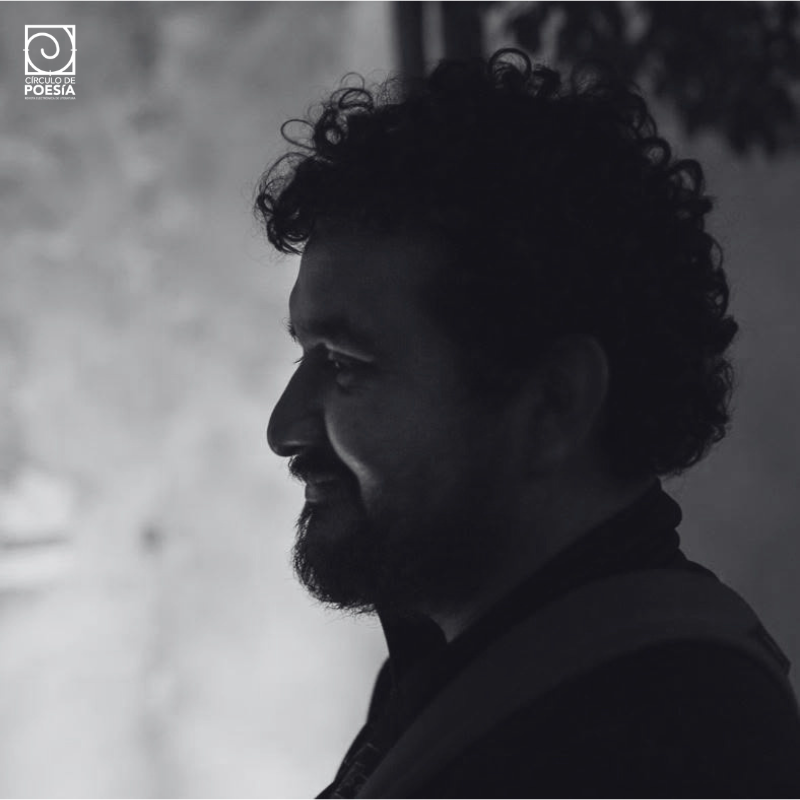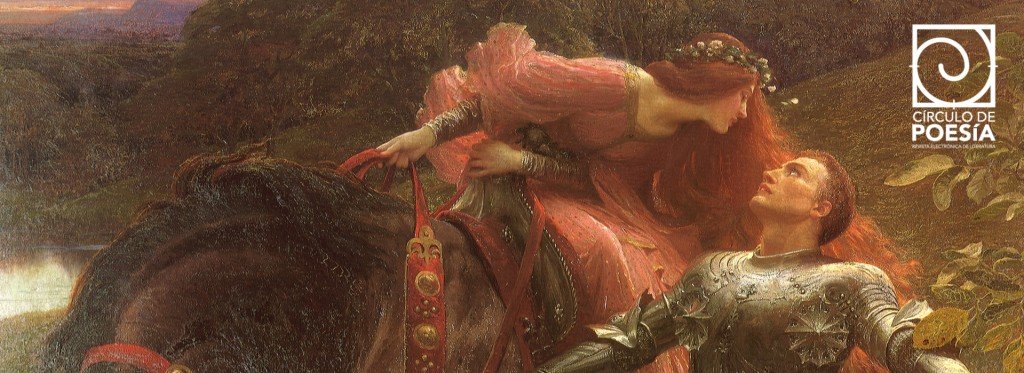
Presentamos una versión de “La belle dame sans merci” del poeta inglés John Keats (1795-1821), en el aniversario de su nacimiento. El poema es un clásico de la poesía del mundo. La versión está a cargo del poeta, ensayista y traductor Milton Medellín.
La Belle Dame Sans Merci
Ballad.
I
O WHAT can ail thee, knight-at-arms,
Alone and palely loitering?
The sedge has wither’d from the lake,
And no birds sing.
II
O what can ail thee, knight-at-arms!
So haggard and so woe-begone?
The squirrel’s granary is full,
And the harvest’s done.
III
I see a lily on thy brow
With anguish moist and fever dew,
And on thy cheeks a fading rose
Fast withereth too.
IV
I met a lady in the meads,
Full beautiful – a faery’s child,
Her hair was long, her foot was light,
And her eyes were wild.
V
I made a garland for her head,
And bracelets too, and fragrant zone;
She look’d at me as she did love,
And made sweet moan.
VI
I set her on my pacing steed,
And nothing else saw all day long,
For sidelong would she bend, and sing
A faery’s song.
VII
She found me roots of relish sweet,
And honey wild, and manna dew,
And sure in language strange she said –
«I love thee true.»
VIII
She took me to her elfin grot,
And there she wept, and sigh’d fill sore,
And there I shut her wild wild eyes
With kisses four.
IX
And there she lulled me asleep,
And there I dream’d – Ah! woe betide!
The latest dream I ever dream’d
On the cold hill’s side.
X
I saw pale kings and princes too,
Pale warriors, death-pale were they all;
They cried – «La Belle Dame sans Merci
Hath thee in thrall!»
XI
I saw their starved lips in the gloam,
With horrid warning gaped wide,
And I awoke and found me here,
On the cold hill’s side.
XII
And this is why I sojourn here,
Alone and palely loitering,
Though the sedge is wither’d from the lake,
And no birds sing.
La Belle Dame Sans Merci
I
¿De qué adoleces, caballero,
tan sólo y pálido vagando?
Del lago el junco se ha secado,
y no cantan los pájaros.
II
¿De qué adoleces, caballero,
desmejorado y miserable?
La ardilla ha llenado su granero,
se ha dado la cosecha.
III
Un lirio veo sobre tu frente
de helada angustia y fiebre en vaho,
y en tus mejillas una rosa
también se ha marchitado.
IV
Traté a una dama en la pradera,
hermosa y bella – un hada niña.
De pelo largo y pies ligeros,
salvaje la mirada.
V
Tejí guirnaldas en su frente,
pulsera y cinto perfumados.
Y me miró cual si me amara,
gimiendo dulcemente.
VI
En mi corcel la hube sentado,
y en todo el día no vi más nada.
Pues de soslayo ella entonó,
una canción de hadas.
VII
Halló por mí raíces dulces,
y miel silvestre y maná fresco.
Y en una extraña lengua dijo:
“En verdad que te amo.”
VIII
Y me llevó a su cueva de elfos,
cayó en lamentos y sollozos.
Y yo cerré sus fieros ojos,
con abundantes besos.
IX
Y me arrulló hasta que dormí,
y ahí soñé lo más horrible
que haya soñado alguna vez,
en esta fría ladera.
X
Vi Reyes pálidos, Princesas,
Guerreros: todos cadavéricos,
gemían: “la bella dama sin
piedad te tiene preso.”
XI
Hambrientos labios en las sombras,
me dieron su hórrida advertencia.
Y desperté: me encontré aquí,
en esta fría ladera.
XII
He ahí el porqué aquí permanezco,
tan sólo y pálido vagando.
Si bien del lago el junco se ha secado,
y no cantan los pájaros.
Versión al español: Milton Medellín